

























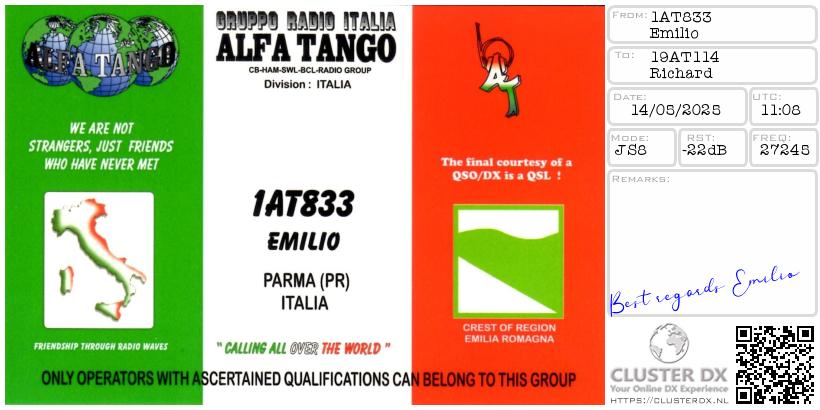


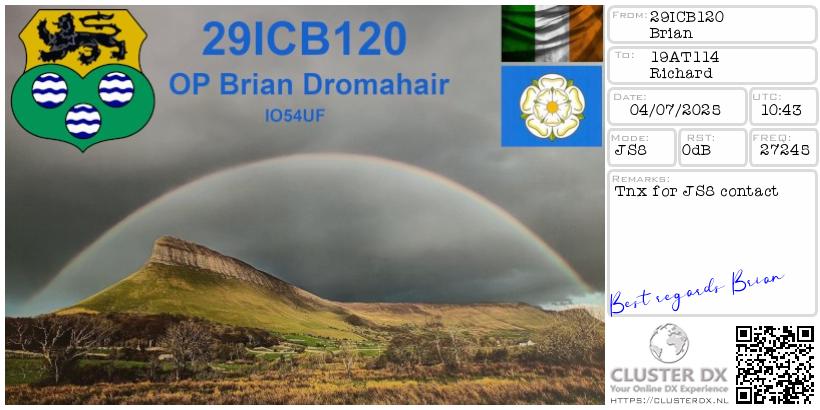


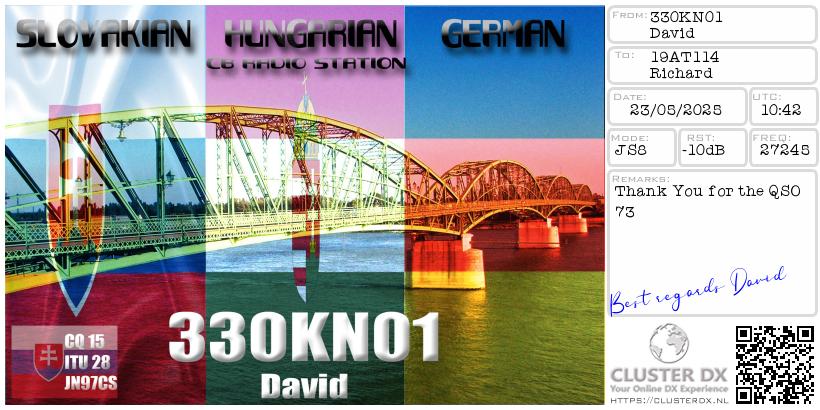

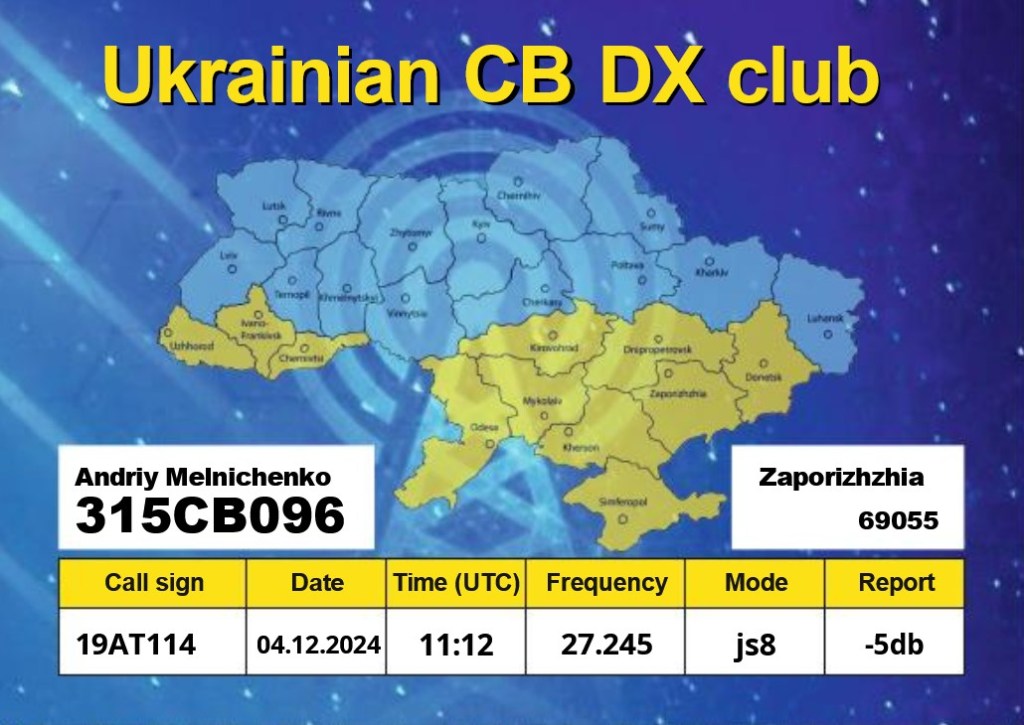
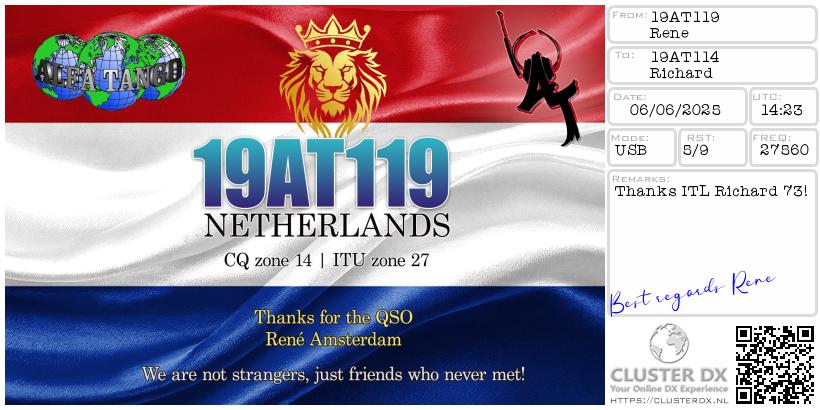







JS8 is most commonly JS8Call — a weak-signal HF digital messaging mode for amateur radio (and also works perfectly on the 11-meter CB band) that lets you have real keyboard-to-keyboard conversations, compare it to (Short Message Service) SMS. It’s built on the same FT8 encoding but adds free-form text, relays, and networking without needing the internet.
Download the official JS8Call guide here or visit the official website / page first.
Both JS8Call and FT8 use the same weak-signal encoding, but they’re used differently. FT8 is for quick contacts — just callsign, grid, and signal report in 15-second cycles. JS8Call lets you type actual messages, ask for SNR reports, join groups like @ARES or @EMCOMM, and even relay messages through other stations. The trade-off is it’s slower and has a higher duty cycle.
Automated Query Commands:
These commands end with a question mark (?) and ask the remote station to automatically reply with specific data.
| Command | Action / Meaning |
|---|---|
SNR? | What is my signal report? Requests your Signal-to-Noise Ratio as heard by their station. |
GRID? | What is your grid locator? Requests the station’s 4 or 6-character Maidenhead grid square. |
INFO? | What is your station info? Requests the custom text set in their station profile (e.g., name, QTH, rig). |
STATUS? | What is your current status? Requests their current status message (e.g., “Operating portable”, “Away from desk”). |
HEARING? | Who are you hearing? Requests a list of callsigns that station has recently decoded. |
AGN? | Please repeat. Automatically requests the station to retransmit its last sent message. |
Download JS8Call from JS8Call Downloads – Make me happy and sign my guestbook, thanks !!

Key Features:
- Free-Form Text & Relaying: Allows direct keyboard messaging as well as store-and-forward mailbox functions and message relaying through other stations if a direct link is blocked.
- Automated Station Queries: Built-in commands let operators check signal-to-noise ratios (SNR?), grid locators (GRID?), station status (STATUS), or message inboxes (QUERY MSGS) automatically.
- Multiple Speeds: Offers different speed/bandwidth modes—such as Slow, Normal, Fast, and Turbo—to balance signal robustness against transmission speed.
Disclaimer: Text from Internet, pictures my own, JS8Call download link -> original website JS8Call.
[…] Marcel, thanks for this second contact, now on FT8, […]